
Home Buyers Guide - Deer Park VIC
Buyers guide for Deer Park, Victoria
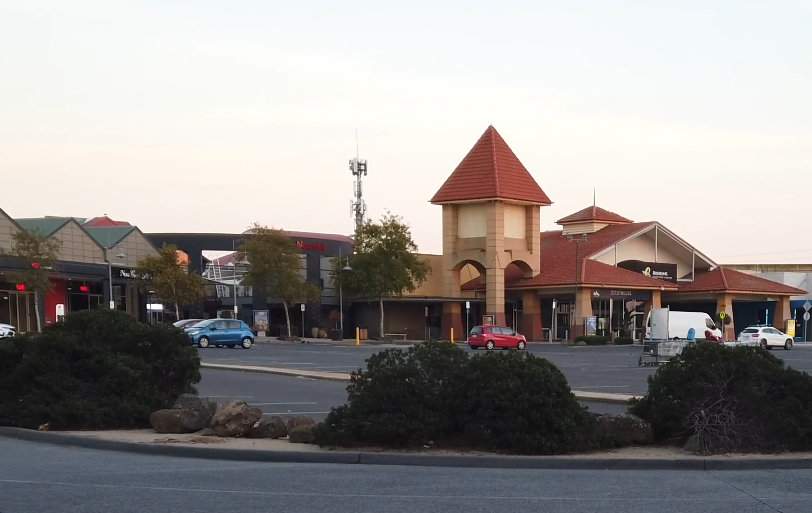
Deer Park (postcode 3023) is a western Melbourne suburb in the City of Brimbank, about 17 km from the CBD, known for family housing, access to the Kororoit Creek corridor and improving rail/road links.
December 2025 Market snapshot
As at 16 Dec 2025:
- Houses (all beds, 12 months): median sale price $679,500 (Dec 2024–Nov 2025).
- Days on market (proxy): 3-bed houses 26 days, 4-bed houses 27 days (each for Dec 2024–Nov 2025).
- Gross rental yield: 3.8% (PropTrack/REA suburb insights).
- Units/Apartments (all units, 12 months): median sale price $530,000 (Dec 2024–Nov 2025), 31 days median time on market, 4.6% rental yield.
Momentum notes (what’s moving, supported by data):
- Units show higher yield than houses (4.6% vs 3.8%), which can attract investor demand and support unit pricing even when borrowing costs bite.
- Time-on-market is broadly similar (high-20s days for common house segments vs ~31 days for units), suggesting reasonably steady buyer depth when listings are priced near local comparables.
- If you’re buying by auction, don’t judge Deer Park by Deer Park alone: Metro Melbourne’s clearance context (REIV) is materially higher than many individual suburbs week-to-week. Use it as “market temperature”, not a suburb guarantee.
Amenities & community services
- Rail: Deer Park Station has regional train services (check live disruptions before relying on it for commuting).
- Creek trail: The Kororoit Creek Trail runs from Isabella Williams Memorial Reserve and links into broader shared path networks (great for bikes/prams).
- Parks: Brimbank highlights Isabella Williams Memorial Reserve as a flagship park in the area.
- Council services: City of Brimbank publishes local parks/nature, trails and community directory resources to sanity-check what’s near a specific address.
- Everyday retail: Expect a mix of local strips and larger centres nearby (inspect at the times you’ll actually shop - weekday peak vs weekend). (Buyer tip: do at least one “school drop-off time” drive-through.)
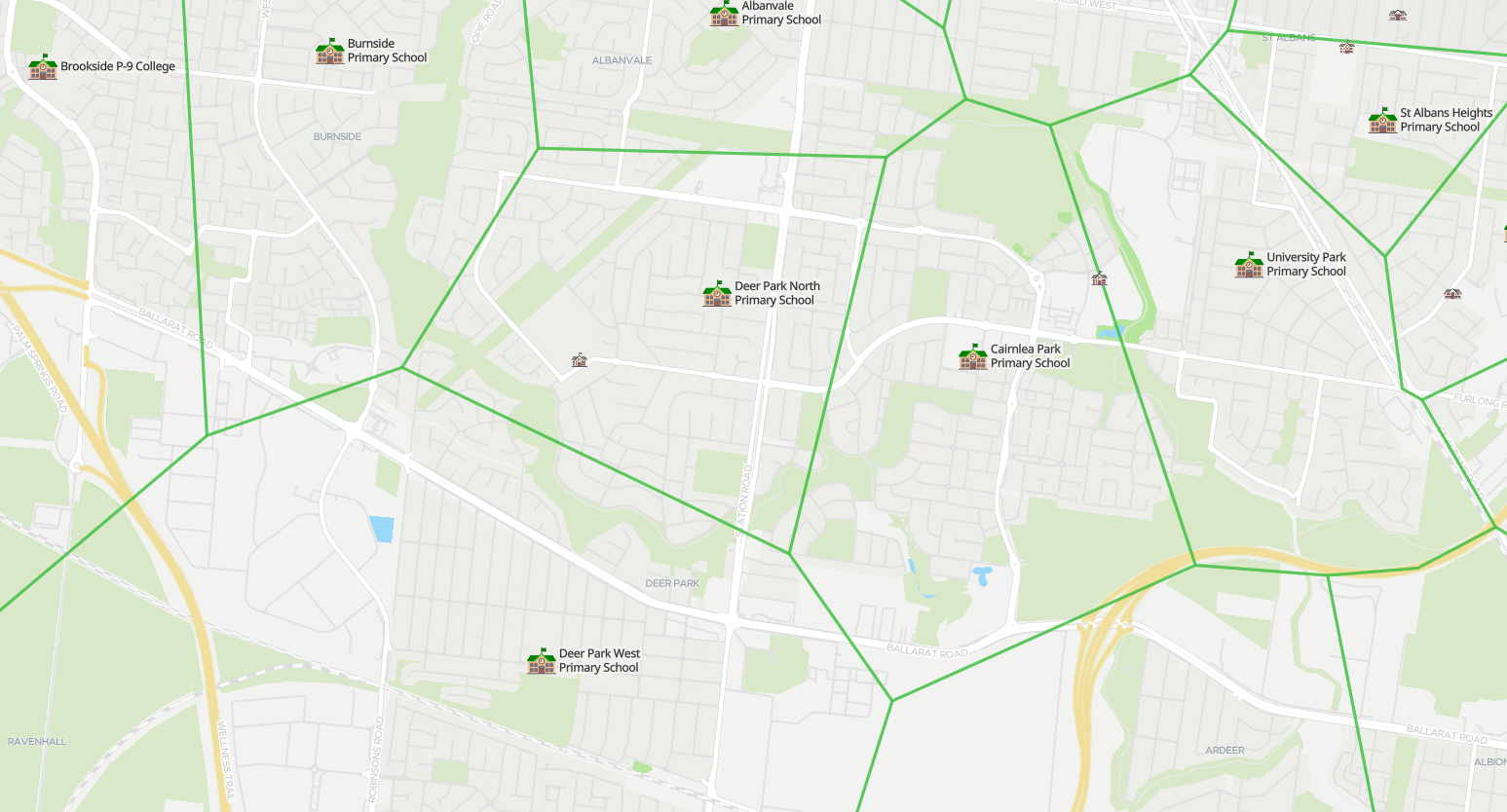
Schools & catchments (verify by address)
Catchments change and can differ year-to-year. Always check your exact address for your intended enrolment year:
- Official catchment checker: Find my School (Vic).
- Examples of local options to investigate (not a guarantee of zoning):
- Deer Park North Primary School (government).
- Deer Park West Primary School (government).
- Victoria University Secondary College (government secondary, multiple campuses including Deer Park).
- St Peter Chanel School (Catholic primary). For performance context, use ACARA My School (and read it alongside school tours and your child’s needs).
- Deer Park Primary Schools:
Demographics & dwelling mix
From the 2021 ABS Census (Deer Park – SAL20729):
- Population 18,145; median age 35.
- Average household size 2.9; median weekly household income $1,456.
- Housing-cost signals: median monthly mortgage repayments $1,689 and median weekly rent $350 (Census concepts/definitions apply).
- Education profile indicator: 19.0% of people aged 15+ reported Bachelor degree or above (2021).
Dwelling mix (practical read): Deer Park typically offers a lot of detached family homes plus pockets of townhouses/units, so your price and build-quality risk will vary street-by-street. (Use the planning map + on-the-ground inspection to confirm what’s dominant around your target address.)
Planning, zoning & overlays (what can/can’t be built)
Start here, before you fall in love with a renovation idea:
- VicPlan (free): search any address, see zones/overlays, and generate a planning property report.
- Brimbank Planning Scheme: Council overview and links to planning resources.
What to watch for in Deer Park (verify per address in VicPlan):
- Heritage/character overlays: can restrict demolition, façade changes, fences and visible additions (even when the floorplan is flexible).
- Flood/overland flow overlays: the Kororoit Creek corridor can be a trigger for flood-related controls. Factor in insurance, finished floor levels and extension design.
- Industrial interface / contamination controls: Deer Park’s land-use mix includes industrial areas; some precincts have specific planning controls (example: the Orica Deer Park development plan overlay area). If you’re near major industrial land, do extra diligence on buffers, environmental history and any EPA-related constraints.
Older-building considerations (if historic fabric is prevalent)
A lot of “value” stock in Melbourne’s west is mid-century to late-20th-century housing. Common checks:
- Moisture (subfloor ventilation, bathroom waterproofing, old stormwater).
- Roofing and gutters (especially if you see ceiling staining).
- Stumps/movement (doors sticking, cracks that re-open after patching).
- Electrical (old switchboards) and plumbing (galvanised pipe / poor pressure).
- Asbestos risk in eaves/wet areas for older builds (treat as “assume until tested”).
Non-negotiable: a building & pest inspection that explicitly comments on subfloor, roof space, drainage, and signs of movement. Don’t accept a “visual-only” shortcut for older homes.
Property Assessment
In Victoria it’s common for buyers to make offers subject to a building inspection (and sometimes other checks depending on the contract). A qualified inspector’s assessment helps you understand:
- the property’s current condition and likely maintenance spend,
- defects that change your valuation (or justify a price reduction),
- whether your renovation plans will run into structural or moisture issues before you commit.
Micro-pocket & street-level factors
In Deer Park, price differences often come down to:
- Walkability to the station vs train noise/traffic on the same corridor.
- Backing onto busy arterials / freight routes vs quieter residential pockets.
- Proximity to creek reserves/open space (often a plus) vs flood-overlay implications (needs checking).
- School-zone edges (a house just outside a desired zone can price very differently).
- Nearby industrial interfaces (odour/noise/trucks) and any special planning controls.
Your offer strategy
- Use like-for-like settled sales (same land size band, similar era/condition) and adjust hard for renovations needed: kitchens/bathrooms, roof, restumping can dwarf “cosmetic” budgets.
- For auctions: treat metro clearance rates as context only; set a walk-away price based on comparables + your risk buffer, and consider an independent valuation if you’re stretching.


