13 Mar 2026
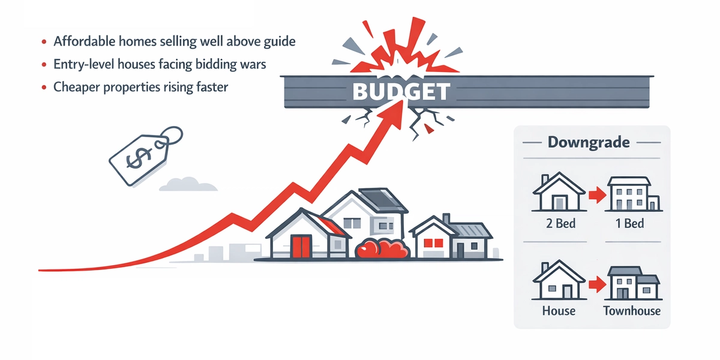
Australia's House Price "Up-Crash"
In theory, higher interest rates should cool property prices. Borrowing power falls, repayment costs rise and buyers are forced to step back. Yet...
Western Australia-Seller
Read article

Essential information for property sellers in Western Australia. Learn how to prepare for inspections and understand the process.
Essential information for property sellers in Western Australia.
Latest news and guidance for property sellers in Western Australia.
Common questions about selling property in this state
23 questions
12 questions
A seller inspection report is best viewed as a tool for the seller, not a buyer-attraction tactic.
Key Points Identifies defects early so you can plan repairs or disclosures before listing. Shows transparency, but most buyers will still arrange their own inspection as part of due diligence. Helps you understand the property’s condition prior to hitting the market.
Note: Buyers tend to place more trust in reports commissioned independently by them or their chosen inspector.
In most cases, you can expect to receive your building inspection report within 24 hours after the inspection.
Key details: Many inspectors aim to provide same-day delivery especially if the inspection is done in the morning. Complex properties or inspections that reveal multiple issues may take longer, as photos, defect notes, and recommendations need to be compiled accurately. If you need the report urgently, confirm turnaround with your inspector.
In Perth, building inspection costs vary significantly depending on factors like inspection type, property type and complexity, and the inspector’s experience and credentials.
Typical price ranges in Perth: Standard building inspection only: $450–$900 Combined building + pest inspection: $600–$1,100
Costs may be even lower when using underqualified or less-experienced inspectors and some may lack insurance and industry expertise. By contrast, experienced inspectors with strong qualifications charge what they’re worth and deliver more reliable reports.
Larger or more complex properties, such as multi-storey homes, rural blocks, or heritage buildings may cost more. Because every property is different, pricing can be calculated case by case to ensure accuracy and fairness.
Tip: Don’t choose the cheapest quote for the biggest investment of your life—choose the right inspector.
Most Likely — even if you provide a recent, comprehensive inspection report, many buyers will still arrange their own.
Why buyers may get another inspection: Independent verification - buyers want an inspector they choose and trust. Peace of mind - ensures no bias or omissions in the provided report. Contract requirements - some clauses require the buyer’s own report to trigger rights (e.g., building report clauses in certain states). Lender requirements - they may need an inspection arranged directly by the buyer.
Providing your own report can still build trust, speed up the process, and help identify issues early, but it won’t always replace a buyer’s inspection.
Yes — a building and pest inspection is absolutely worth it when buying a property in Australia. For most people, a home is the biggest financial investment they will ever make, and an inspection provides clarity by identifying the true condition of a property.
A combined building and pest inspection can uncover: Major and minor defects Water damage, leaks, or rising damp Termite activity or hidden timber pest infestations Safety hazards
Without an inspection, novice buyers may risk inheriting $10,000's of unknown issues related to the property.
Bottom line: For a relatively small cost (around $600–$1,100 in most cities), a building and pest inspection is there to help you buy that $600k - $1.5M average home... Be smart, make an informed decision.
There are benefits — arranging a pre-sale building inspection can be helpful, but it’s not mandatory.
It is simply a Pre-Purchase Building and/or Timber Pest inspection like a buyer would arrange. By knowing your property’s true condition, you can: Identify and fix significant issues, reducing buyer objections. Understand the condition of the home to set realistic expectations. Avoid last-minute surprises that can derail a sale.
Tip: Choose an inspector with strong qualifications in building and pest control, great communication, and appropriate insurance to ensure the report is credible.
In Australia, building inspections are not legally mandatory when buying a property. However, they are strongly recommended by industry experts, real estate professionals, and consumer protection agencies. A pre-purchase building inspection (and often a timber pest inspection) provides an independent assessment of the property’s condition and identifies potential issues such as:
Major structural defects Water damage or leaks Safety hazards Termite or other timber pest infestations
While the law does not require a building inspection, many buyers choose to make their contract of sale subject to building and pest inspections. This can protect them from purchasing a property with costly hidden problems.
Be mindful that there is no specific licensing or registration required to be a pre-purchase building inspector in most states, except Queensland. Conducting your own due diligence when selecting an inspector is critical.
No — you’re not legally required to fix every issue found before selling, but it can impact buyer confidence and negotiation outcomes.
Key points: Serious safety hazards or compliance issues should be considered addressing. Minor defects can be left as most home have them, but buyers may use them to negotiate the price. Leaving major defects unfixed may result in fewer offers or reduced sale price. If you choose not to fix something, be prepared to disclose known defects where required by law.
Fixing significant defects before listing can lead to smoother negotiations. Works should be done by licensed trades, with evidence disclosed.
No, a building inspection is not legally required to sell your house in Australia. However, many sellers choose to organise a pre-sale building and pest inspection before listing their property.
Getting an inspection done upfront allows you to: Identify issues early – giving you time to uncover major defects and take action if needed. Build transparency – showing buyers you have nothing to hide if disclosing a professional report (though most buyers will still arrange their own). Avoid contract surprises – reducing the risk of last-minute negotiations, delays, or price drops caused by hidden defects.
While optional, a pre-sale building and pest inspection is a proactive step that can help you address issues before they impact the sale of your home.
Important Tip: Choosing a quality building inspector who is knowledgeable, thorough, and straightforward will ensure all bases are covered as best as possible. Don't cheap out :)
Yes — arranging a pre-purchase building inspection before listing can be a smart move. It helps you:
Identify and fix issues early, reducing buyer objections. Set a realistic asking price based on the property’s actual condition. Show transparency and demonstrate the due diligence you’ve undertaken.
The choice of inspector is critical to ensure you receive an accurate report. Variations between inspectors’ reports are common.
While it’s an upfront cost, it can reduce the risk of re-negotiations and help avoid last-minute contract withdrawals.
Yes — reasonable access should always be provided so the inspector can carry out their full scope of works. The most common access requirements include:
Moving furniture or stored items so entry points to the roof void and subfloor are clear. Unlocking or removing screws from access hatches, locked rooms, sheds, or other inspection areas.
Providing access shows good intent and ensures the scope can be fully inspected. If key areas are blocked or inaccessible, the inspector may need to return, adding delays and extra, unwanted costs.
In most cases, banks in Australia do not make a building and pest inspection a strict requirement for home loan approval. Instead, they usually rely on a valuation report to assess the property’s market value and condition.
However, many lenders strongly recommend buyers organise their own independent building and timber pest inspection as part of the due diligence process. This is because inspections can uncover structural defects, safety hazards, or termite issues that may affect the property’s true condition, therefore value.
On some occasions, such as for first home buyers or higher-risk applications, banks may place extra conditions on the loan. In these situations, a lender may request a building inspection or require additional evidence that the property is structurally sound before final approval.
Even if it’s not required, a building inspection is one of the best ways to protect your investment and avoid costly surprises.
6 questions
A standard pre-purchase building inspection typically covers:
Structural elements – Structure, walls, roof framing. External areas – roof coverings, gutters, downpipes, exterior walls. Internal areas – ceilings, walls, floors, windows, doors. Subfloor and roof space – where safe and accessible. Site drainage – basic visual checks for water issues. Safety hazards – obvious defects that may be unsafe.
Note: It does not include compliance checks, concealed systems, or specialist inspections unless arranged separately.
Generally yes — but only in certain circumstances. Most pre-purchase building inspections include retaining walls and fencing if they are significant and within the property’s boundary, but minor garden walls or cosmetic fencing may be excluded.
What’s Usually Inspected Retaining walls more than 700mm high Fencing along property boundaries Signs of leaning, cracking, or rot
The Australian Standard for pre-purchase building inspections is AS 4349.1 – 2007, which sets out how residential building inspections should be carried out and reported.
For timber pest inspections (e.g., termites), the relevant standard is AS 4349.3 – 2010. Always check that your inspector follows these standards for a reliable and compliant report.
Yes. Pre-purchase building inspection reports should follow AS 4349.1 – Australian Standard for Building Inspections.
Before engaging an inspector, confirm within their inspection agreement that their report will comply with this standard.
Some inspectors may go above and beyond the Standard to provide more value for their client. This is subject to the individual undertaking the scope.
A report written outside AS 4349.1 may omit critical details, use inconsistent definitions, and underrepresent the true condition of the property — reducing your protection if defects are found later.
Yes — a standard pre-purchase building inspection does include the interior, but the exact coverage depends on the the Australian Standard they follow (AS 4349.1).
Access and limitations are another factor as to the extent an inspector is required to go while inspecting. Click here to learn more.
Some areas of a property might be excluded from a pre-purchase building inspection if they cannot be safely or reasonably accessed at the time. Common examples include:
Roof voids or subfloor spaces with limited entry clearance Locked rooms or areas where the inspector cannot obtain permission to enter Roof surfaces that are too steep, slippery, or unsafe to access High exterior sections requiring ladders beyond safe reach Spaces blocked by stored goods or furniture Areas affected by hazards such as dangerous mould, or animals, etc.
If access is restricted, the inspector will note these areas in the report as "limitations" or "inaccessible".
5 questions
If parts of the property were blocked, locked, or unsafe, the inspector couldn’t check them and they won’t be included in your report.
Knowing exactly what was and wasn’t inspected helps you understand the true scope and limitations of the findings.
Without this context, you might think the inspection covered the entire property, when in fact some areas were excluded. Being aware of these gaps means you can:
Avoid false confidence in the property’s condition Decide if further inspections or follow-up visits are needed
Understanding the access and limitations is a good start to set your expectations before you book your inspection
No — Western Australia does not require licensing for pre-purchase building inspectors.
There are no formal regulations governing who can offer building inspection services in the residential pre-purchase market. Anyone may operate as an inspector without specific licensing.
Hiring an underqualified inspector can cost far more than the fee you save.
Risks include:
Missed Major Defects – Structural or safety issues may be overlooked, leading to expensive repairs later. Poor-Quality Reports – Incomplete, inaccurate, or vague reports do not provide you transparency about the home. No Insurance Protection – Many underqualified inspectors lack professional indemnity insurance, leaving you without recourse if they make a mistake. Lack Expertise – They may not understand detailed building methods, how issues arise, what is acceptable and what is not. False Sense of Security – Thinking a property is sound when it’s not, can leave you left holding the bag.
Tip: Always verify qualifications, licensing (if required in your state), and insurance before booking.
We've done the work for you - Find an Inspector with insurances and listed credentials verified by us.
No — pre-purchase building inspections are visual inspections only. Inspectors don’t remove wall linings, lift floorboards, or cut into ceilings to see what’s concealed.
Instead, they check what can be reasonably accessed and observed at the time of inspection. If parts of the home are hidden, locked, or unsafe to enter, they’ll be excluded from the report.
That doesn’t mean potential issues go ignored. A skilled inspector will: Look for clues (like cracks, moisture staining, or uneven floors) that may indicate hidden problems. Recommend further investigation if something suggests a concealed defect. Clearly note access limitations in the report so you understand what was and wasn’t inspected.
Tip: Understanding the full scope of what a building inspection includes will help you ask the right questions when finding a building inspector.
Yes — one inspector can sometimes perform both building and pest inspections, but they should have adequate qualifications and insurance for both.
Using one inspector can save time, but if they’re not accredited and experienced for both, you risk inadequate reporting and potentially missed issues.
Victorians - Your contract of sale may specify what license they may need for your report to be valid. Please check your clauses.
Connect with trusted inspectors to prepare your property for sale and attract confident buyers.


